
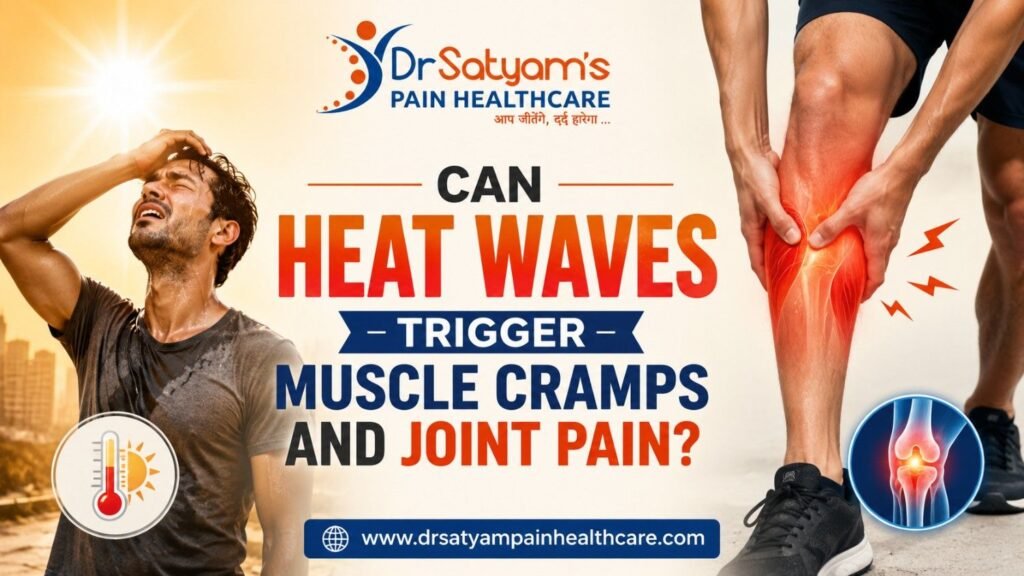
Have you ever wondered can heat waves trigger muscle cramps and joint pain? During extreme summer heat, your body loses water and essential minerals through sweating, which can lead to muscle cramps, joint stiffness, and body aches. People with arthritis, back pain, or those who work long hours outdoors are often more affected.
In this blog, you’ll learn why heat waves can cause muscle and joint pain, how to prevent these problems, and when to seek professional treatment to stay healthy and pain-free throughout the summer.
Can Heat Waves Trigger Muscle Cramps and Joint Pain?
Yes, heat waves can trigger muscle cramps and joint pain. When your body is exposed to extreme heat, you lose large amounts of water and essential electrolytes like sodium, potassium, and magnesium through sweating. This can lead to dehydration, muscle cramps, muscle fatigue, and joint stiffness. Hot weather can also worsen existing conditions such as arthritis, back pain, and neck pain, making daily activities more difficult.
What Happens to Your Body During Extreme Heat?
During a heat wave, your body works harder to stay cool by sweating. If you don’t replace the lost fluids and minerals, your muscles may tighten or cramp, and your joints may feel sore or stiff. Physical activity in hot weather can increase the risk of heat-related muscle cramps and body pain.
How Heat Affects Muscles
Heat causes excessive sweating, which reduces your body’s fluid and electrolyte levels. As a result, muscles may not function properly, leading to painful cramps, weakness, and spasms—especially in the legs, arms, and back.
How Heat Affects Joints
Although heat does not directly damage your joints, dehydration and inflammation can make them feel stiff and uncomfortable. People with arthritis or previous joint injuries may notice that joint pain in summer becomes worse during prolonged heat waves.
Why Do Heat Waves Cause Muscle Cramps?
If you’re asking, can heat waves trigger muscle cramps and joint pain, one of the main reasons is dehydration and the loss of essential minerals. During hot weather, your body sweats more to stay cool. Along with water, you also lose electrolytes like sodium, potassium, magnesium, and calcium, which are needed for healthy muscle function. When these minerals become low, your muscles may tighten suddenly, causing painful heat wave muscle cramps.
Dehydration
Not drinking enough water during extreme heat reduces the amount of fluid in your body. This affects how muscles work and increases the risk of cramps, muscle stiffness, and fatigue.
Electrolyte Loss
Sweating causes your body to lose important electrolytes that help muscles contract and relax properly. An imbalance can lead to muscle spasms, weakness, and painful cramps.
Muscle Fatigue
Working, exercising, or spending long hours outdoors in hot weather puts extra stress on your muscles. Tired muscles are more likely to cramp, especially if you are dehydrated.
Overexertion in Hot Weather
Physical activity during a heat wave increases your body’s temperature and fluid loss. Without enough water and electrolytes, your muscles cannot work efficiently, making muscle cramps in hot weather more common.
Can Hot Weather Cause Joint Pain?
Yes, hot weather can make joint pain worse, especially if you are dehydrated or already have conditions like arthritis or old joint injuries. While heat itself does not directly damage your joints, it can increase inflammation, reduce joint lubrication, and cause muscle tightness around the joints. This is one reason why many people ask, can heat waves trigger muscle cramps and joint pain?”—and the answer is yes, especially during prolonged periods of extreme heat.
Dehydration Reduces Joint Lubrication
Your joints need enough fluid to move smoothly. During a heat wave, excessive sweating can lead to dehydration, reducing the natural lubrication in your joints. This may cause stiffness, discomfort, and pain while walking or moving.
Heat Can Increase Inflammation
Extreme heat puts extra stress on your body. In some people, especially those with arthritis, this can increase inflammation and make swollen or painful joints feel even worse.
Existing Joint Conditions May Flare Up
People with osteoarthritis, rheumatoid arthritis, previous injuries, or chronic back and neck pain may notice more discomfort during hot weather. Heat-related fatigue and electrolyte imbalance can also affect the muscles that support your joints, leading to additional pain.
How to Protect Your Joints During a Heat Wave
- Drink plenty of water throughout the day.
- Replace lost electrolytes with healthy fluids and foods.
- Avoid outdoor activities during peak afternoon heat.
- Stretch gently to reduce muscle stiffness.
- Seek professional care if your joint pain becomes severe or lasts for several days.
Signs That Your Pain Is Heat Related
If you’re wondering can heat waves trigger muscle cramps and joint pain, the answer may become clear by noticing your symptoms. Heat-related pain often develops after spending time in high temperatures, especially if you’re dehydrated or sweating heavily. Recognizing these early signs can help you prevent the problem from becoming more serious.
Muscle Symptoms
You may experience:
- Painful muscle cramps, especially in the legs, arms, or abdomen
- Muscle tightness or stiffness
- Muscle weakness or fatigue
- Muscle twitching after excessive sweating
Joint Symptoms
Heat and dehydration can also affect your joints. Common signs include:
- Joint pain or stiffness
- Mild swelling around the joints
- Increased discomfort in people with arthritis or old injuries
- Reduced flexibility during movement
Whole Body Symptoms
If your body is struggling to cope with extreme heat, you may also notice:
- Excessive sweating
- Dizziness or lightheadedness
- Headache
- Extreme tiredness or fatigue
- Increased thirst and dry mouth
Who Is Most at Risk?
While heat waves can trigger muscle cramps and joint pain in anyone, some people are more likely to experience these problems due to dehydration, electrolyte loss, or existing health conditions.
Older Adults
As we age, the body becomes less efficient at staying hydrated. This increases the risk of muscle cramps, joint stiffness, and heat-related illnesses.
Outdoor Workers
People who work in construction, farming, delivery, or other outdoor jobs lose more fluids through excessive sweating, making them more likely to develop heat-related muscle cramps.
Athletes and Active Individuals
Exercising or playing sports in hot weather can lead to dehydration, muscle fatigue, and electrolyte imbalance, increasing the risk of painful muscle cramps.
People with Arthritis or Joint Problems
Hot weather and dehydration may worsen joint pain and stiffness, especially in people with arthritis or long-term musculoskeletal conditions.
People with Spine or Back Pain
Individuals with existing neck pain, back pain, or posture-related issues may notice increased discomfort during extreme heat due to muscle tightness and fatigue.
People with Chronic Health Conditions
Those with diabetes, kidney disease, or heart conditions may become dehydrated more easily, making them more vulnerable to muscle cramps and body pain during heat waves.
When Should You Visit a Chiropractor or Physiotherapist?
If you’re asking, can heat waves trigger muscle cramps and joint pain? Remember that while mild symptoms often improve with rest, hydration, and electrolyte replacement, pain that lasts for more than a few days or keeps coming back should not be ignored. Persistent muscle cramps, joint stiffness, or back pain may be a sign of an underlying musculoskeletal problem that needs professional care.
Persistent Back or Neck Pain
If your back or neck pain becomes worse during hot weather or limits your daily activities, a chiropractor or physiotherapist can identify the root cause and create a personalized treatment plan.
Frequent Muscle Cramps
Repeated heat-related muscle cramps that continue despite proper hydration and stretching may indicate muscle imbalance, poor posture, or nerve irritation that requires expert evaluation.
Joint Pain and Stiffness
If joint pain in summer or stiffness does not improve with rest, it may be linked to arthritis, inflammation, or reduced joint mobility. Early treatment can help reduce pain and improve movement.
Sports Injuries or Physical Strain
People who exercise or work outdoors are more likely to experience muscle fatigue and injuries during a heat wave. Professional treatment can speed up recovery and help prevent future problems.
How to Prevent Muscle Cramps and Joint Pain During Heat Waves
If you’re wondering can heat waves trigger muscle cramps and joint pain, the good news is that there are simple ways to reduce your risk. Staying hydrated, replacing lost electrolytes, and avoiding too much heat can help keep your muscles and joints healthy during the summer.
Stay Hydrated
Drink water regularly throughout the day instead of waiting until you feel thirsty. If you’re sweating a lot, include electrolyte-rich drinks like coconut water or an oral rehydration solution to replace lost sodium and potassium.
Replace Lost Electrolytes
Heavy sweating causes your body to lose important minerals such as sodium, potassium, magnesium, and calcium. Eat foods like bananas, yogurt, spinach, watermelon, and citrus fruits to support healthy muscle function and reduce the risk of heat-related muscle cramps.
Avoid Peak Heat Hours
Try to stay indoors or in shaded areas between 11 AM and 4 PM, when temperatures are usually at their highest. If you must go outside, take frequent breaks and avoid strenuous physical activity.
Stretch and Warm Up Your Muscles
Gentle stretching before and after exercise improves flexibility and blood flow, helping reduce muscle cramps in hot weather and joint stiffness.
Wear Light, Breathable Clothing
Choose loose-fitting, lightweight clothes made from breathable fabrics. This helps your body stay cool and reduces excessive sweating.
Maintain Good Posture
Poor posture can place extra stress on your muscles and joints. Sit, stand, and lift correctly, especially if you spend long hours working at a desk.
Simple Daily Stretching Routine During Summer
If you’re wondering can heat waves trigger muscle cramps and joint pain, adding a few gentle stretches to your daily routine can help. Stretching improves blood circulation, reduces muscle stiffness, supports joint flexibility, and lowers the risk of heat-related muscle cramps. For best results, stretch for 5–10 minutes during the cooler hours of the day, such as early morning or evening.
Neck Stretch
Slowly tilt your head toward each shoulder and hold for 15–20 seconds on each side. This helps relieve neck stiffness and improves flexibility.
Shoulder Stretch
Bring one arm across your chest and gently pull it with the opposite hand. Hold for 20 seconds on each side to reduce shoulder tightness.
Lower Back Stretch
Lie on your back and gently pull both knees toward your chest. Hold for 20–30 seconds to relax the lower back and reduce muscle tension.
Hamstring Stretch
Sit with one leg extended and slowly reach toward your toes without forcing the movement. Hold for 20 seconds on each leg to improve flexibility and reduce muscle strain.
Calf Stretch
Stand facing a wall, place one foot behind you, and press the back heel into the ground while leaning forward. Hold for 20–30 seconds on each leg to help prevent calf cramps during hot weather.
Why Choose Dr. Satyam’s Pain Healthcare in Varanasi?
If you’re wondering can heat waves trigger muscle cramps and joint pain and are looking for lasting relief, Dr. Satyam’s Pain Healthcare is here to help. As a trusted physiotherapist in Varanasi and the best chiropractor in Varanasi, Dr. Satyam Jaiswal focuses on treating the root cause of muscle cramps in hot weather, joint pain, back pain, and neck pain instead of simply masking the symptoms.
Personalized Treatment for Long-Term Relief
Every patient receives a detailed evaluation followed by a customized treatment plan. Whether your pain is caused by dehydration, poor posture, sports injuries, or spinal problems, we provide care that supports long-term recovery.
Advanced Chiropractic & Physiotherapy Care
Our clinic offers chiropractic treatment, physiotherapy, manual therapy, posture correction, dry needling, shockwave therapy, and rehabilitation to reduce joint stiffness, improve mobility, and relieve heat-related muscle cramps and musculoskeletal pain.
Trusted Pain Care in Varanasi
With an evidence-based and patient-first approach, Dr. Satyam Jaiswal has helped many patients recover from back pain, neck pain, knee pain, and other musculoskeletal conditions. If you’re searching for the best chiropractor in Varanasi, Dr. Satyam’s Pain Healthcare offers safe, non-surgical care to help you move comfortably and live pain-free.
Also Read: https://drsatyampainhealthcare.com/suffering-from-back-pain/
Conclusion
So, can heat waves trigger muscle cramps and joint pain? Yes, extreme heat can lead to dehydration, electrolyte imbalance, muscle fatigue, and increased joint stiffness, making existing pain feel worse. Staying hydrated, replacing lost minerals, eating a balanced diet, and stretching regularly can help reduce the risk of heat-related muscle cramps and joint pain in summer. However, if your symptoms continue despite these steps, don’t ignore them. Persistent back pain, neck pain, or joint discomfort may be a sign of an underlying musculoskeletal condition. At Dr. Satyam’s Pain Healthcare, our experienced team provides personalized chiropractic and physiotherapy treatments to help you recover safely and enjoy a healthier, pain-free life.
Frequently Asked Questions
1. Can heat waves trigger muscle cramps and joint pain?
Yes, heat waves can trigger muscle cramps and joint pain because excessive sweating causes your body to lose water and essential electrolytes like sodium, potassium, and magnesium. This can lead to muscle spasms, dehydration, and increased joint discomfort, especially in people with arthritis or existing musculoskeletal conditions.
2. Why do I get muscle cramps during hot weather?
Muscle cramps in hot weather usually happen due to dehydration, electrolyte loss, and muscle fatigue. When your body loses too much fluid through sweating, your muscles cannot function properly, increasing the risk of painful cramps during physical activity or prolonged heat exposure.
3. Does dehydration cause joint pain?
Yes, dehydration can contribute to joint pain by reducing the lubrication that helps your joints move smoothly. It may also increase inflammation and stiffness, making conditions like arthritis, back pain, and knee pain feel worse during the summer months.
4. Can hot weather make arthritis or old injuries hurt more?
Yes, many people notice that hot weather worsens arthritis symptoms and old injuries. Dehydration, inflammation, and physical stress caused by extreme heat can increase joint stiffness, swelling, and pain, especially if you already have a chronic musculoskeletal condition.
5. How can I prevent muscle cramps and joint pain during a heat wave?
To prevent heat-related muscle cramps, drink plenty of water, replace lost electrolytes, eat water-rich foods, avoid outdoor activities during peak heat hours, and stretch regularly. Maintaining good posture and staying physically active can also help protect your muscles and joints.
6. When should I see a chiropractor for muscle cramps or joint pain?
You should consult a chiropractor if muscle cramps, back pain, neck pain, or joint stiffness continue for several days, keep returning, or affect your daily activities. Early treatment can help identify the root cause and prevent the problem from becoming more serious.
7. Can chiropractic treatment help with muscle cramps and joint pain?
Yes, chiropractic treatment may help improve spinal alignment, reduce muscle tension, improve joint mobility, and relieve pain caused by musculoskeletal problems. Combined with physiotherapy and posture correction, it can support long-term recovery and overall physical health.
8. Who is most at risk of heat-related muscle cramps?
Older adults, athletes, outdoor workers, children, and people with arthritis or chronic pain conditions are at a higher risk of developing muscle cramps during heat waves. Staying hydrated and avoiding prolonged exposure to extreme heat can significantly lower the risk.